
At Heritage Remodelers and Builders, we work with homeowners at every stage of the renovation journey, and one of the most common things we hear is some version of the same question: I know everything needs updating, but where on earth do I start? It is an honest question, and it deserves a thoughtful answer. A whole-home renovation is one of the most significant investments a homeowner can make, and the decisions made in the early planning phase shape everything that follows, from budget efficiency to how long you are living around construction. Our team brings deep experience across every aspect of residential remodeling, and we have built our reputation on guiding clients through exactly this kind of complexity with clear communication, reliable craftsmanship, and a process that keeps the project moving on schedule. This post is our honest guide to getting a whole-home renovation off on the right foot.
Why the Order of Operations Matters More Than You Think
One of the most expensive mistakes in a whole-home renovation is tackling projects out of sequence. It sounds simple, but the reality is that many homeowners choose their starting point based on which room bothers them the most rather than which work logically needs to come first. That instinct is understandable but can be costly.
Consider this: if you install gorgeous new hardwood floors throughout your home before completing the plumbing or HVAC work, there is a real chance those floors get damaged when a wall has to come open for pipe or ductwork access. If you paint before the electrical rough-in is done, you may be repainting sooner than planned. The sequence of a whole-home remodel should follow the logic of construction, not the logic of what is most visually satisfying.
According to industry data, kitchens remain the most renovated room in American homes, and they also have the longest planning timelines, averaging nearly ten months of planning before work even begins. That is a signal worth taking seriously. A project this significant rewards patience in the planning phase far more than it rewards speed.
The Right Order for a Whole-Home Renovation
Start with Structure, Systems, and Safety
Before anything cosmetic happens, the foundational elements of your home need to be assessed and addressed. This includes the roof, foundation, electrical panel, plumbing, and HVAC systems. In 2024, plumbing topped the list of systems homeowners invested in during major renovations, followed closely by electrical and HVAC upgrades. These are not glamorous projects, but they are the ones that protect every dollar you spend on everything that comes after.
If your home has aging wiring, corroded pipes, or an HVAC system approaching the end of its useful life, those issues need to be resolved first. Trying to layer a beautiful renovation over infrastructure problems is like painting over rust. It looks fine for a while, and then it does not.
Move to Layout Changes and Major Structural Work
Once your systems are sound, any work that involves moving walls, changing floor plans, or altering the structural footprint of your home comes next. This is the phase where kitchens and bathrooms get reconfigured, additions are framed, and load-bearing changes are made. Doing this before finishes are applied means tradespeople have open access without risking damage to completed work.
This phase also requires permits, and working with a licensed remodeling contractor like Heritage Remodelers and Builders means the permit process is handled correctly from the start. Unpermitted structural work creates real problems at resale and can void homeowner’s insurance coverage in certain scenarios.
Then Finishes, Fixtures, and the Details That Make It Yours
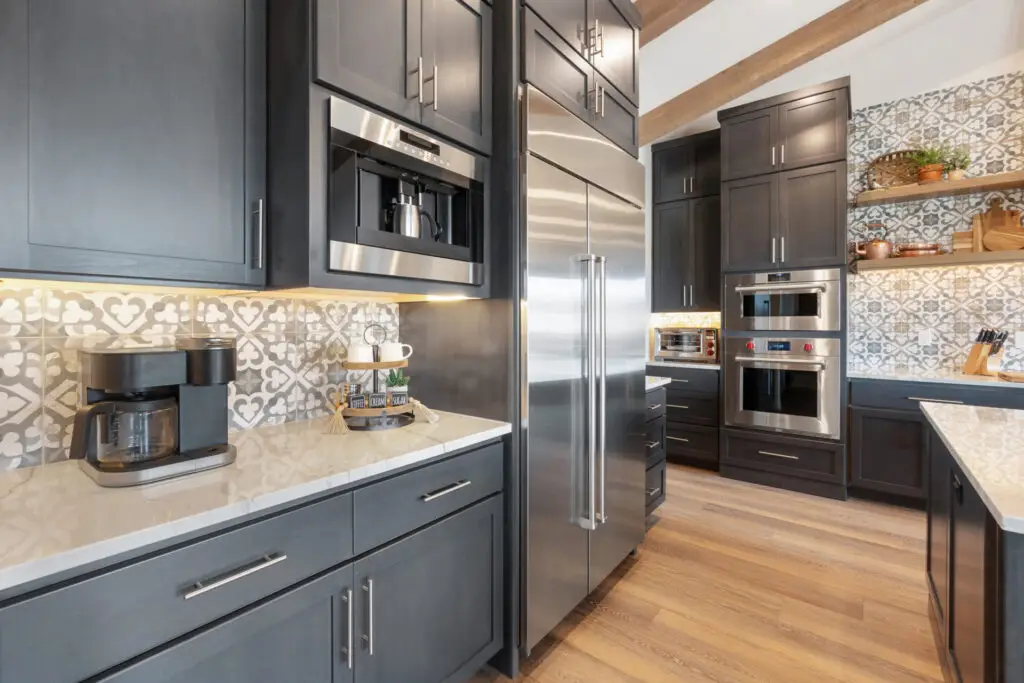
With structure and systems solid and the layout locked in, the renovation opens up into the work that most homeowners picture when they imagine a whole-home refresh: new cabinetry, countertops, flooring, tile, fixtures, paint, and trim. This phase is where your vision comes to life, and it is where thoughtful material selection pays dividends in both daily enjoyment and long-term value.
The sequencing within this phase matters too. Flooring typically goes in after cabinetry and before appliances. Paint follows drywall completion but precedes trim installation. Getting these details right is where experienced remodeling contractors consistently outperform less organized approaches.
How to Manage Budget Across a Whole-Home Project
The U.S. home remodeling market reached $503 billion in 2024, and median household renovation spending has risen significantly over the past several years. The appetite for whole-home remodels is strong, and so is the potential for scope creep and budget drift without careful management.
A few principles that Heritage Remodelers and Builders applies to every project:
Set a realistic contingency from day one. Industry professionals consistently recommend building a buffer of 10 to 15 percent into any renovation budget for unforeseen conditions. In older homes especially, opening walls and floors almost always reveals something that was not visible during initial planning.
Finalize your material selections before work begins. Mid-project material changes are one of the most common drivers of cost overruns and schedule delays. Locking in selections for cabinetry, tile, countertops, and fixtures before demolition starts keeps the project moving and the budget predictable.
Phase the work if budget requires it. A whole-home renovation does not always need to happen all at once. A well-structured phasing plan can spread the investment over time while still following the correct sequence, so earlier phases do not create rework for later ones.
What to Expect When Working with Heritage Remodelers and Builders
Our process begins with a comprehensive consultation, where we listen first and plan second. We take the time to understand your priorities, your timeline, your budget, and the way your household actually lives in the space. From there, we develop a phased project plan that sequences the work intelligently, coordinates the trades efficiently, and keeps you informed every step of the way.
Whole-home renovations are complex, but they should not feel chaotic. With the right team managing the process, most homeowners find that the experience is far more manageable than they anticipated, and the result is a home that feels entirely new without the cost and disruption of moving.
Ready to Start Your Whole-Home Renovation? Heritage Remodelers and Builders Is Ready When You Are.
Whether you are in the early stages of dreaming or ready to break ground, our team is here to help you navigate the process with confidence. Contact Heritage Remodelers and Builders today to schedule your consultation and take the first step toward the home you have been envisioning.